The Great Train Robbery, and the driver who paid for it
In August 1963 a gang stopped a mail train in Buckinghamshire with a glove and a battery, and got away with about £2.6 million. The robbers became famous. The train driver, Jack Mills, never drove a main-line train again.
Just after three o'clock on the morning of Thursday 8 August 1963, the overnight mail train from Glasgow to London slowed to a halt in the Buckinghamshire countryside. The signal ahead was red. It should not have been.
Someone had covered the green light with a glove and wired the red one to a battery. In about half an hour, a gang of fifteen or more men would carry out what became known as the Great Train Robbery.
A train full of money
The train was a travelling post office, where Royal Mail staff sorted letters on the move. Near the front of the train was a special coach for high-value packages, carrying sacks of banknotes, much of it from Scottish banks, bound for London.
The Post Office had already built three more secure coaches, with alarms and bars. But none of them was in service that night, so the train was using an older coach without an alarm.
When the train stopped at Sears Crossing, near the village of Ledburn, the second man in the cab, David Whitby, climbed down to phone the signal box from a line-side telephone. The cables had been cut. He was grabbed by members of the gang.
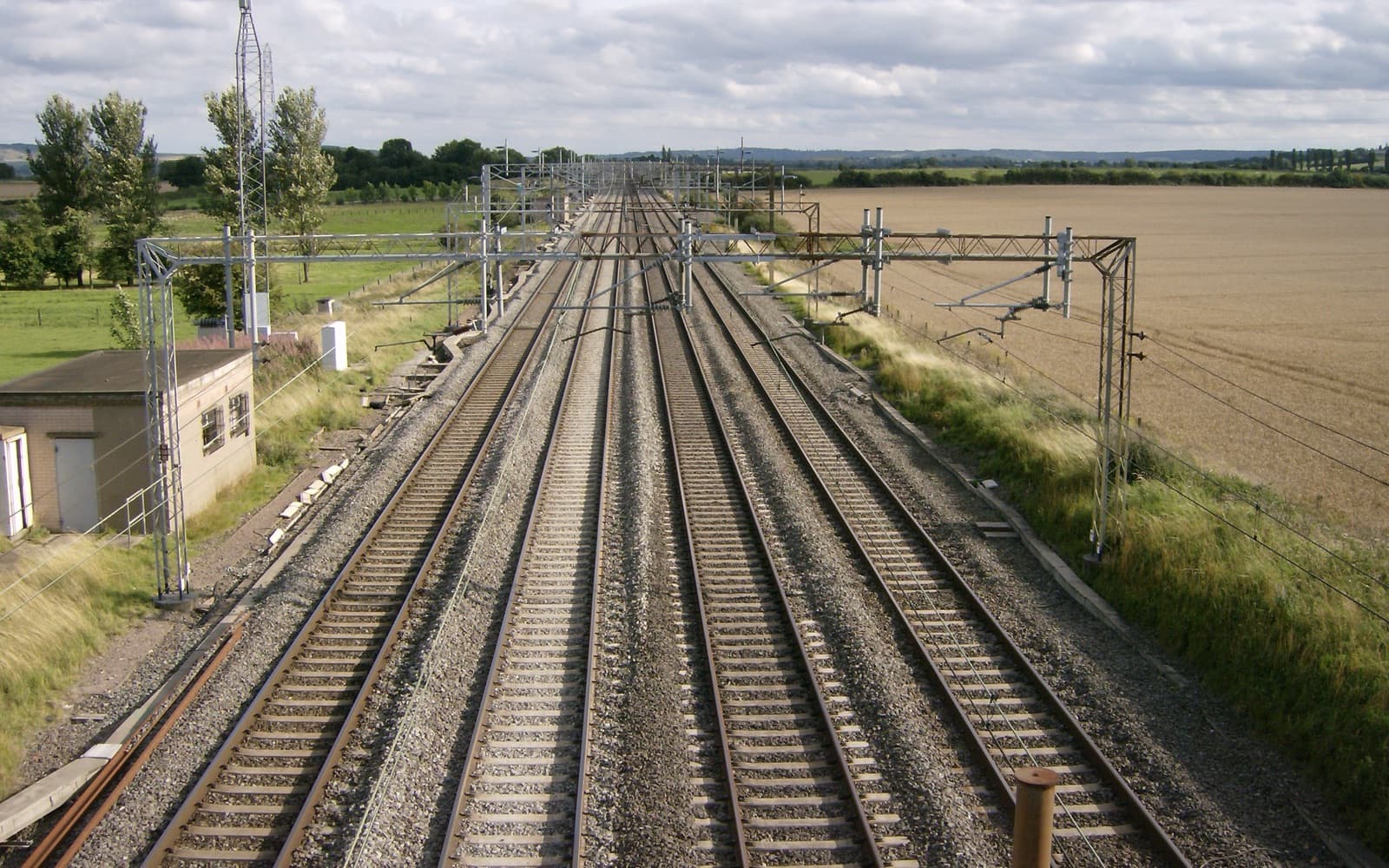
The driver
The driver was Jack Mills, a 58-year-old railwayman from Crewe. When the gang climbed into the cab, he was struck on the head and badly hurt.
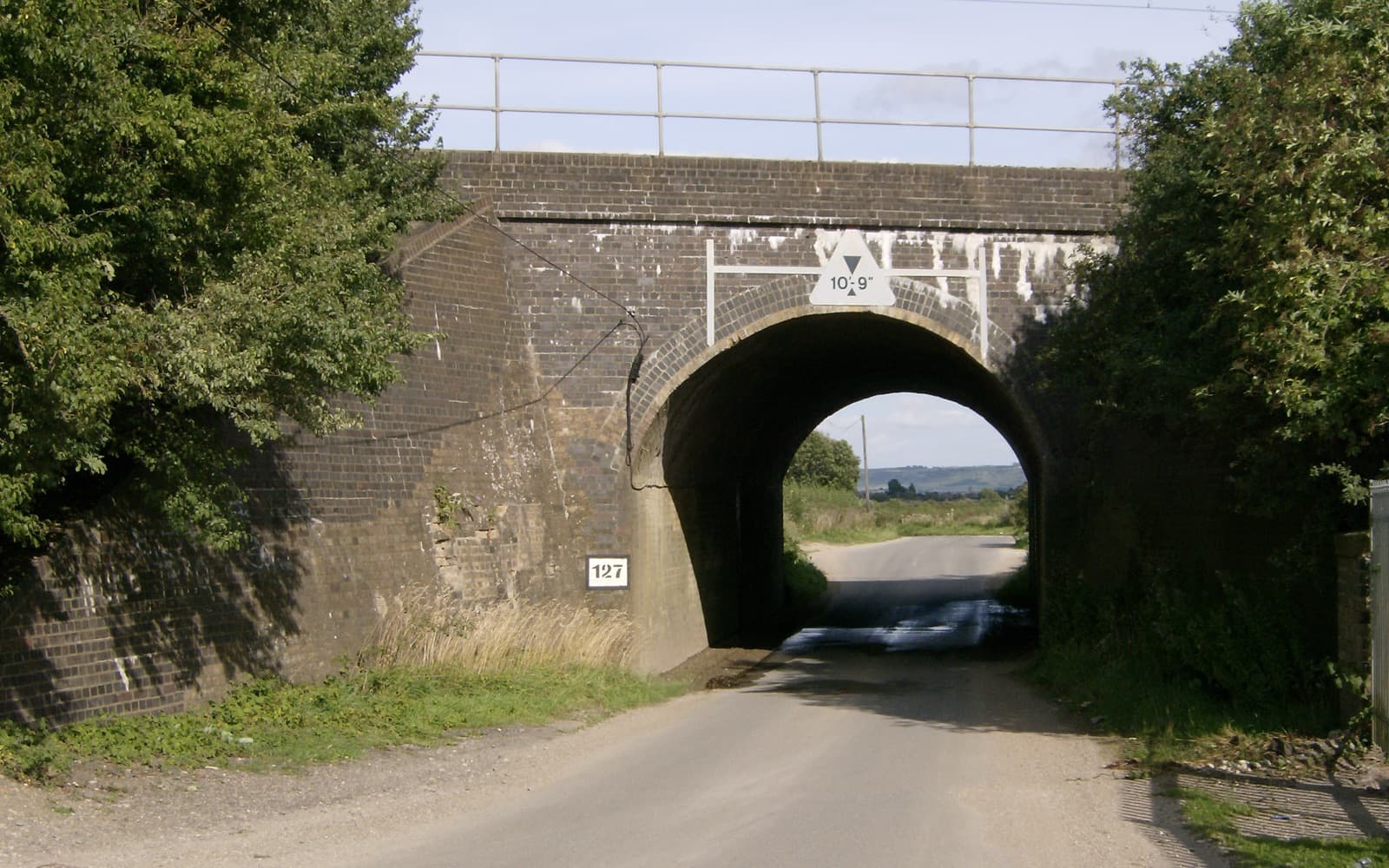
The robbers had brought their own replacement driver to move the train, but he could not work this type of diesel locomotive. So Mills, bleeding from his head, was forced to drive the engine and the front coaches about half a mile further on, to a small railway bridge at Bridego, near Mentmore. There, a lorry was waiting on the lane below.
The gang broke into the high-value coach, overpowered the postal workers inside and formed a chain to pass the mailbags down the embankment. They took 120 sacks.
How much they took
The Post Office's own count of what was stolen came to £2,595,997 and 10 shillings. It is usually rounded to £2.6 million. Using the Bank of England's inflation calculator, that is about £46 million in today's money, and other ways of measuring inflation give even bigger figures.
The farm and the Monopoly set
The gang drove to Leatherslade Farm, an isolated house about 27 miles away that they had arranged to buy in advance as a hideout. They planned to lie low there and later clean the place of all evidence.
They did not clean it well enough. Police found the farm within days, and found fingerprints on, among other things, a ketchup bottle and a Monopoly set, which the gang had reportedly played using the stolen notes. The farm was later described as "one big clue".
The sentences
Most of the gang were arrested over the following months. Their trial at Aylesbury began in January 1964 and lasted 51 days.
The judge, Mr Justice Edmund Davies, refused to see anything glamorous in it. "Let us clear out of the way any romantic notions of daredevilry," he said. "This is nothing less than a sordid crime of violence inspired by vast greed." Seven of the robbers were sentenced to 30 years in prison.
Two of them did not stay inside for long. Charlie Wilson was broken out of a Birmingham prison in 1964, and Ronnie Biggs escaped over the wall of Wandsworth Prison in 1965. Biggs ended up in Brazil, where he lived openly for decades and became something of a celebrity, before returning to Britain in 2001 and going back to prison. Despite his fame, he played only a minor part in the robbery. The organiser was Bruce Reynolds, who was caught in 1968.
The money that vanished
By April 1964, only about £336,500 had been recovered. Most of the money has never been found.
The cost to Jack Mills
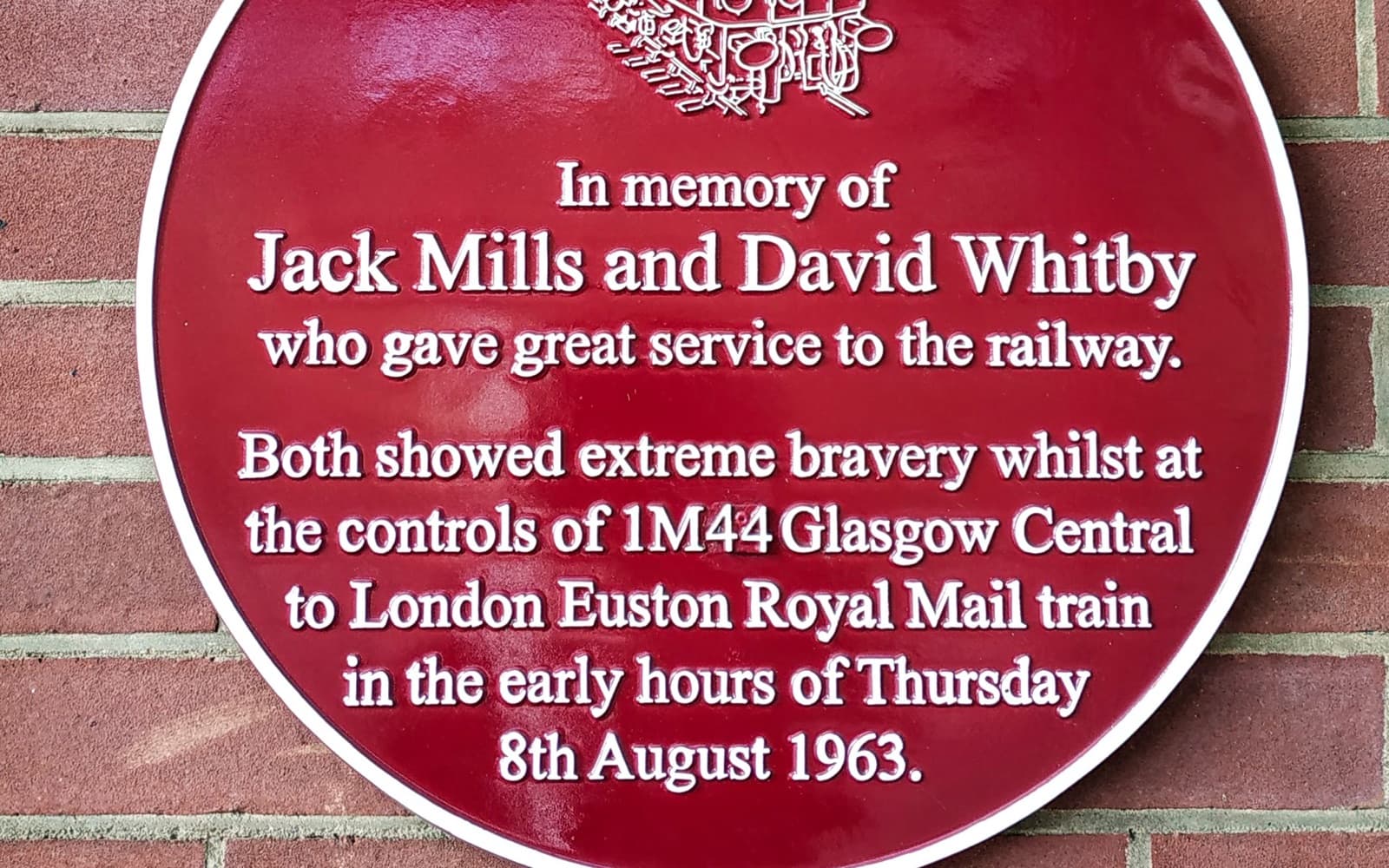
For the men on the train, there was nothing romantic about it. Jack Mills was off work for months. He never drove on the main line again, and worked only on lighter duties until he retired in 1967. His son John later said his father's right hand shook for the rest of his life. "From that day he went downhill," he said. "He was not my dad of old."
Mills died of leukaemia in 1970, aged 64. His family believe the attack contributed to his decline, though that was never established medically. No one was ever convicted of hitting him. David Whitby, the second man, died of a heart attack in 1972, aged 34.
For decades, the robbers got the films, the books and the fame. Only in more recent years has Jack Mills been properly remembered. A plaque at Crewe station honours him and David Whitby for their "extreme bravery". In 2014 a locomotive was named after him, and in 2015 a road in Crewe became Jack Mills Way.
"It has taken a long time for this to be recognised, 52 years in fact," said his grandson, Ian Mills.
Odd, and entirely British.
More Crime & Mysteries →