Why there's an h in "ghost" and a b in "debt"
English spelling looks like a practical joke, but every odd letter has a culprit. French scribes, Flemish-speaking printers, shifting vowels and Latin show-offs each left their mark, and print slowly set the lot in place.
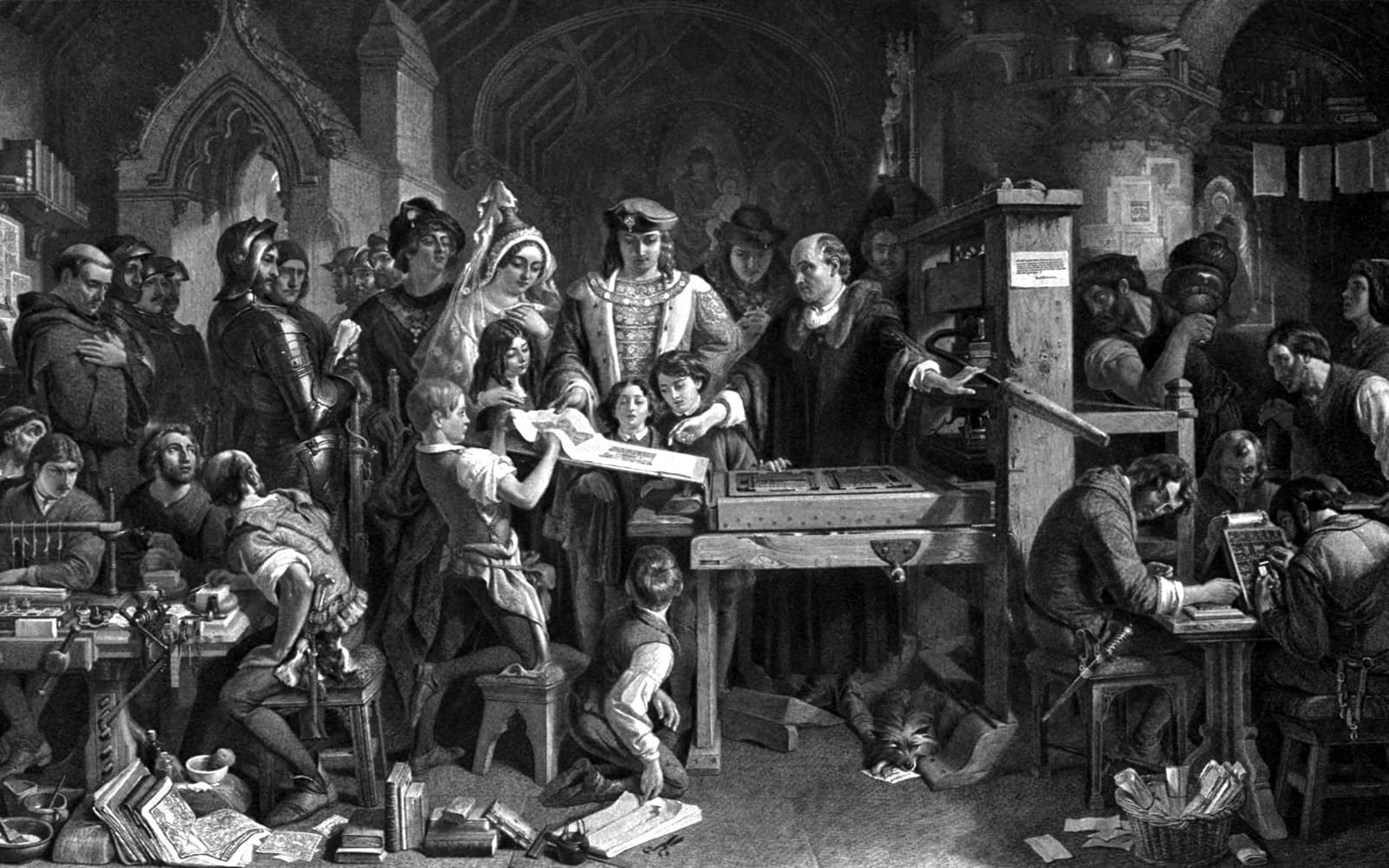
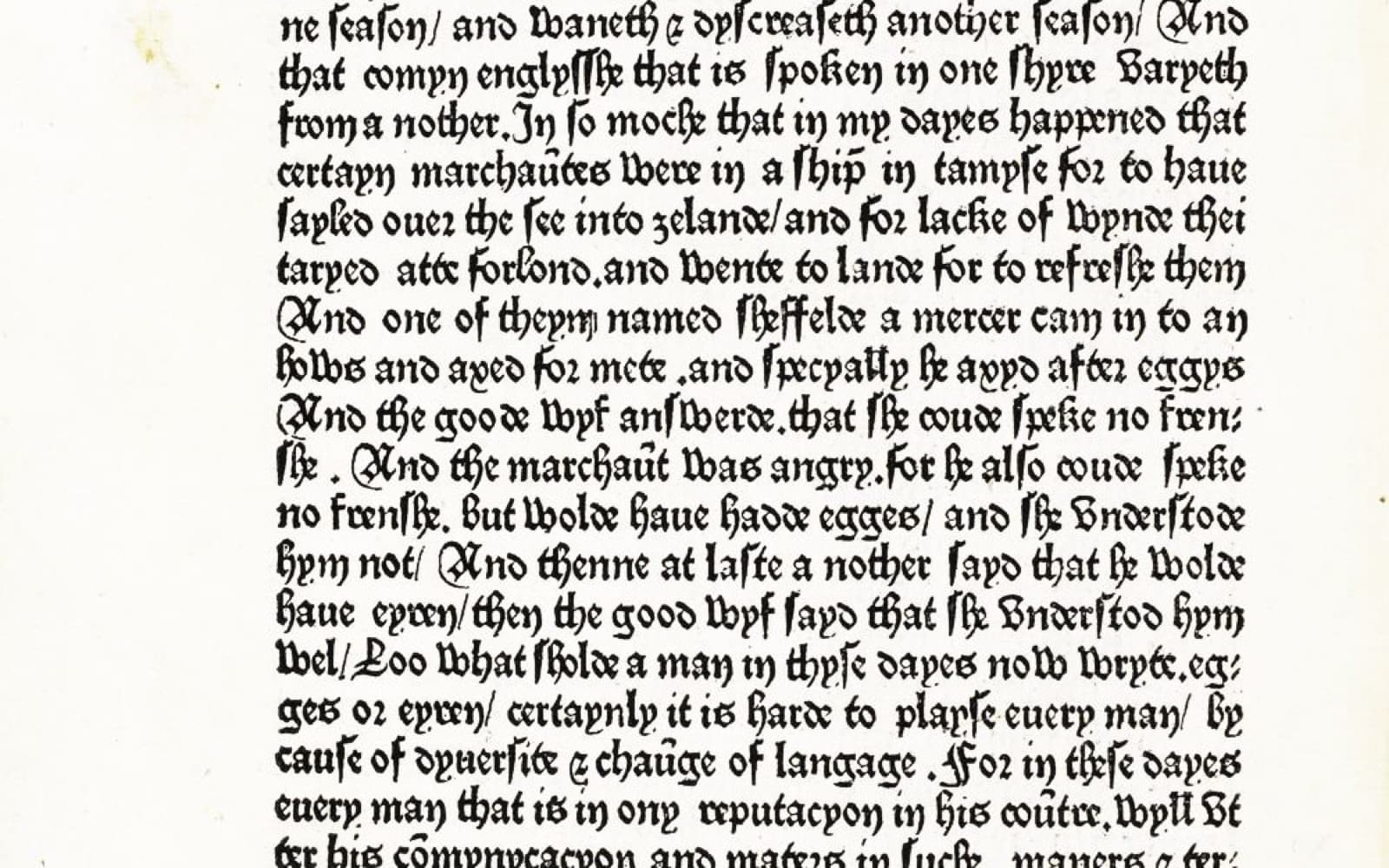
In 1490, William Caxton sat down in Westminster to write a prologue and told a story about eggs. Some merchants, becalmed on the Thames, went ashore for food. One of them, a mercer called Sheffelde, asked a woman for "eggys". She replied that she couldn't speak French. Only when another man asked for "eyren", the older southern word, did she understand.
Caxton, England's first printer, saw his problem at once: English had no fixed form, and somebody now had to choose. "Loo, what sholde a man in thyse dayes now wryte, egges or eyren," he wrote. The choices made over the next two centuries are why English spelling looks the way it does.
The French arrive first
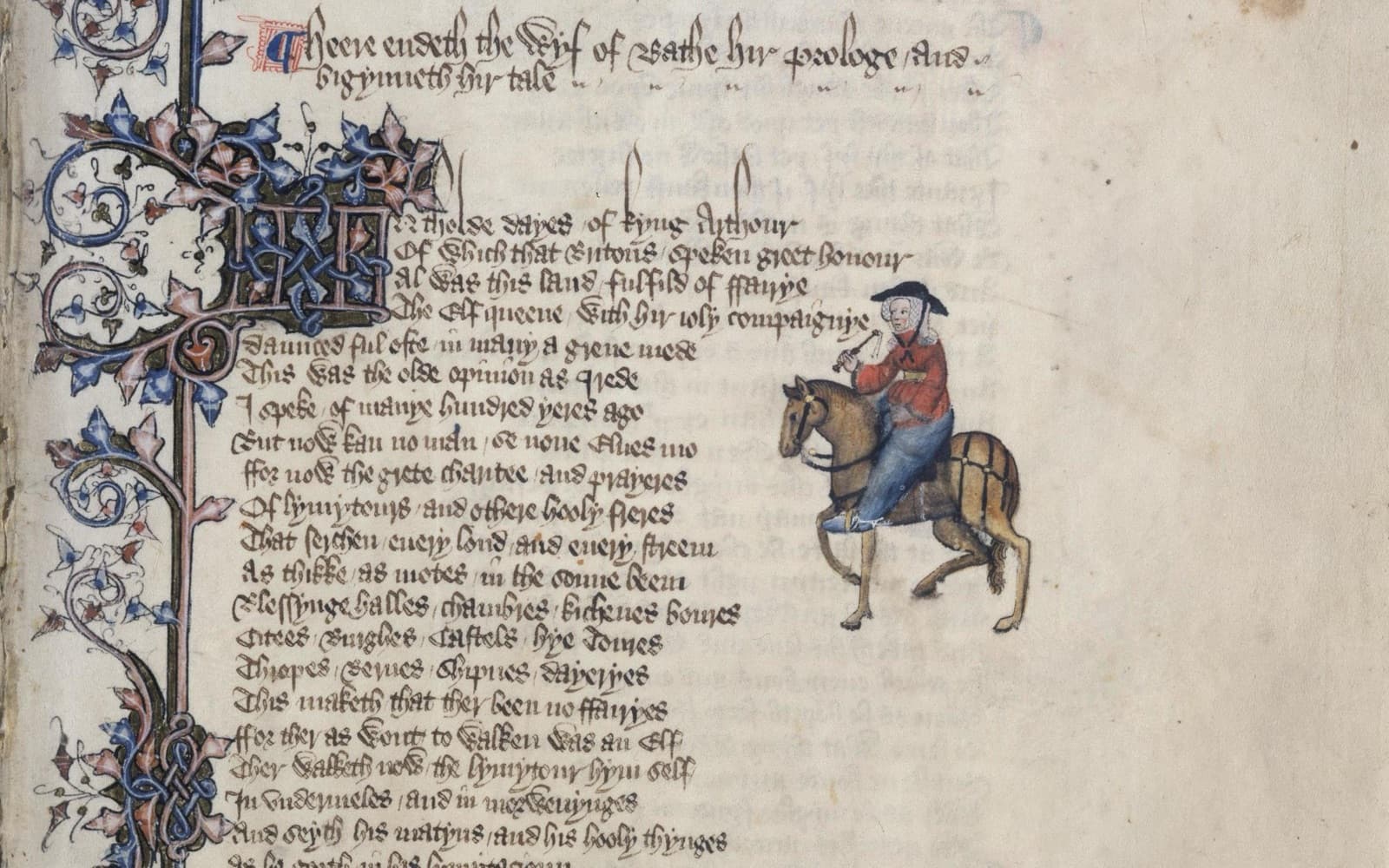
The trouble started long before printing. After the Norman Conquest of 1066, French and Latin became the languages of the court and of government, and many of the people writing English down were trained in French habits.
You can still see their work. Old English wrote "cwen" for queen. Under the influence of French and Latin, scribes switched to "qu", and according to the first edition of the Oxford English Dictionary, "cw" had died out entirely by the end of the 13th century. The Old English "hus" became "hous", later "house", using the French way of writing that vowel.
The o in "love", "come" and "monk", which were once spelt with a u, is usually blamed on handwriting. In the script of the time, u, n, m and v were all made of short vertical strokes called minims, and a long row of them was hard to read. Swapping in an o broke them up.
None of this was consistent. In his 2013 blog for Oxford University Press, the Oxford linguist Simon Horobin points out that medieval writers had "literally hundreds of spellings" for common words like "through", including "drowgh", "yhurght", "trghug" and "trowffe".
Enter the printer
Caxton, a Kentish merchant long based in Bruges, in what is now Belgium, printed the first book in English there in about 1473–74, a history of Troy he had translated from French. In 1476 he set up his press at Westminster.
Printers worked in the London English that had already become a kind of standard in handwritten documents. According to the OED, English spelling gradually became regular between 1475 and about 1630.
The ghost in the machine
This is where the h in "ghost" comes from. In Old English the word was "gast", and medieval writers usually wrote "gost". The first edition of the OED says the spelling with gh, "so far as our material shows, appears first in Caxton, who was probably influenced by the Flemish gheest."
David Crystal blames the Flemish-speaking typesetters in Caxton's workshop, who spelt the word as it looked to them. The Oxford English Dictionary and the historian of spelling D. G. Scragg point instead to Caxton himself and his decades in the Low Countries. The OED says "ghost" "remained rare until the middle of the 16th c., and was not completely established before about 1590." Other Flemish-looking spellings in early printed books, such as "ghoos" for goose and "gherle" for girl, did not survive. "Ghost" did.
Frozen at the worst moment
The timing of print was terrible. Just as spelling was settling, pronunciation went through one of the biggest changes in the history of English: the Great Vowel Shift, when the long vowels moved. In Chaucer's time, "mite", "meet" and "mate" had vowels close to those in "thief", "fete" and "palm". The letters made sense then. As the OED puts it, printing "was fixing it in its late Middle English form just when various sound changes were having a far-reaching effect on pronunciation."
Consonants fell silent too. People stopped saying the k in "knight" and the w in "write". The gh in words like "night" once stood for a throaty sound like the ch in Scottish "loch". In some dialects it disappeared, in others it turned into an f, as in "rough". Standard English kept the old sound until about 1600, according to the OED, but the spellings never changed. That is one reason why "-ough" can be read so many ways today: though, through, tough, cough, bough. Once gh was mostly silent, it was even added where it never belonged, as in "delight".
Showing off their Latin
Other letters were added on purpose. During the Renaissance, scholars wanted English words to show where they came from, and they added letters from Latin. "Debt" came into English from French as "dette". The Latin was "debitum", so a b went in. "Doubt", once "doute", got one from the Latin "dubitare".
But the English were not the first. French scribes had sometimes written "debte" from the 13th century, and that spelling appears in English from the 1400s. The b-spelling became standard in the 16th century.
Shakespeare mocked the pedantry around 1595 in Love's Labour's Lost. The schoolmaster Holofernes rages that Armado says "dout" when he should say "doubt", and "det" when he should pronounce "debt". Holofernes wanted the b spoken aloud.
Myths worth binning
"Island" is often assumed to come from Latin "insula". It doesn't. The word is Old English, spelt "igland" or "iland", and has nothing to do with Latin. Its s came from "isle", a different word that came through French and had had its s put back in imitation of Latin "insula". Writers assumed the two words were related and gave "iland" an s too. Even the King James Bible of 1611 still wrote "Iland" (Acts 28:1), and "island" did not win out until the later 1600s.
The famous joke that "ghoti" spells "fish", with gh as in "enough", o as in "women" and ti as in "nation", is usually credited to George Bernard Shaw. No one has found it in his writings. The earliest known example is in a letter written by Charles Ollier in 1855, the year before Shaw was born.
Every odd letter in English is a fossil of someone's decision: a French scribe, a Flemish typesetter, a Renaissance scholar. English spelling makes no sense as a system, but it makes perfect sense as history.
Odd, and entirely British.
More Words & Language →