When "silly" meant blessed and "nice" meant foolish
Call someone silly in Anglo-Saxon England and you were wishing them well. Call them nice in Chaucer's day and you were calling them a fool. How English words quietly swap sides.
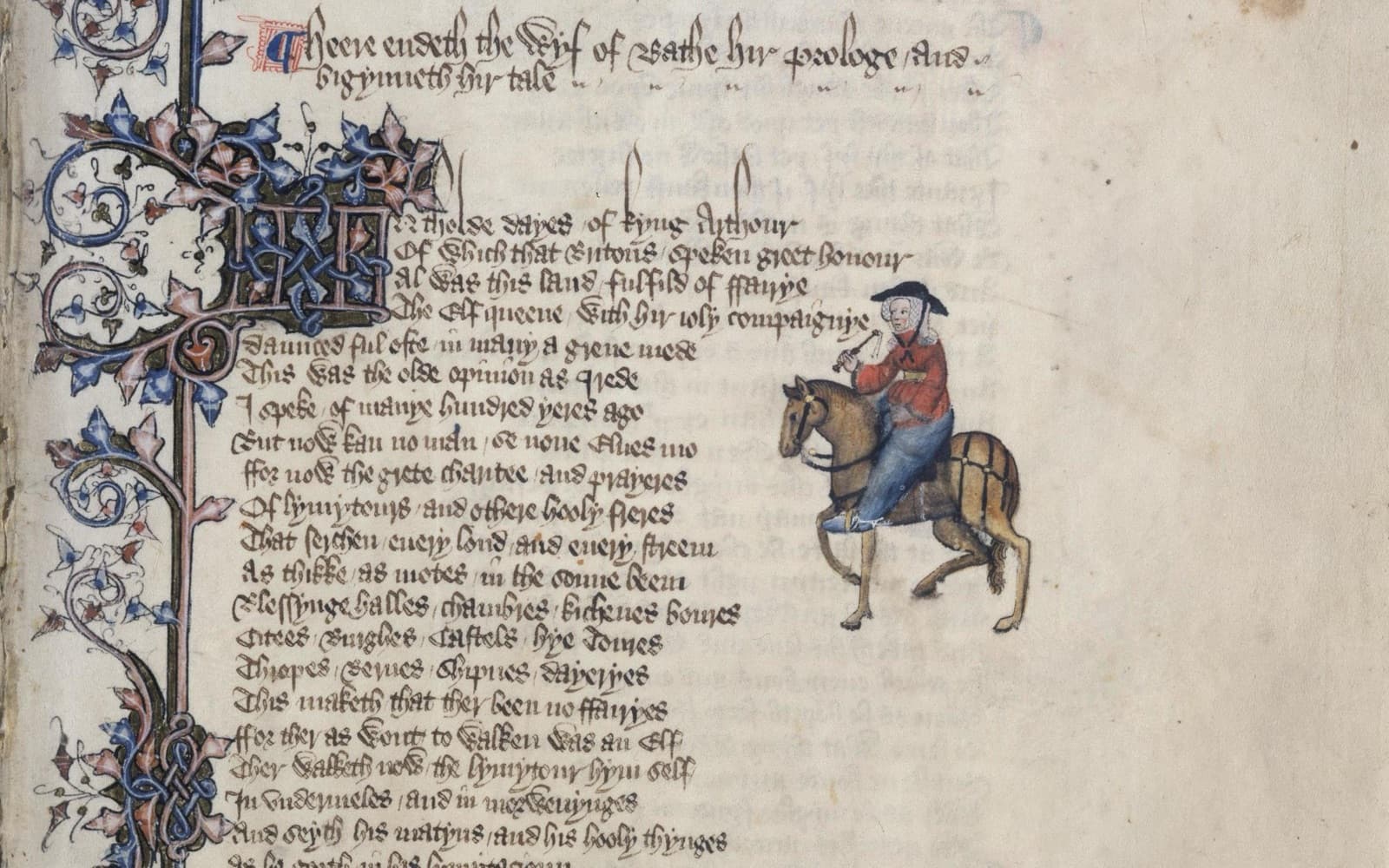
If you could travel back a thousand years and call an Anglo-Saxon silly, they would probably thank you. If you went forward a few centuries and told one of Chaucer's pilgrims they were nice, they would probably have taken it as an insult. Two of the gentlest words in modern English have swapped places almost completely, and they are far from alone.
Silly: from blessed to daft
"Silly" goes back to the Old English word *gesælig*, also written *sælig*, which meant happy or blessed. Its cousins in other Germanic languages kept that meaning: in German, *selig* still means blessed.
In Middle English, the language of roughly 1150 to 1500, the word was usually spelt "sely" or "seely", and it began to wander. Roughly, the reasoning went like this. Something blessed by God is holy. Someone holy is innocent. An innocent person is easily taken in, which makes them helpless, and helpless people are pitiable. By the time Chaucer was writing his Canterbury Tales at the end of the 1300s, "sely" could mean any of these things.
You can watch this happen in the Miller's Tale, where a young lodger tricks an old carpenter. Chaucer keeps calling him "sely": "This sely carpenter goth forth his wey." The Victorian scholar Walter Skeat, in the glossary to his edition of Chaucer, glosses the word in this tale as "innocent, simple". Elsewhere in Chaucer he finds it meaning happy, kind, good, holy, poor, pitiable, wretched and foolish.
The last step, from simple to stupid, was short. By the middle to late 1500s, "silly" had gained the meaning it has today: lacking good sense, foolish, ridiculous.
Nice: from ignorant to pleasant
"Nice" travelled in the opposite direction. It comes from the Latin *nescius*, "not knowing" or "ignorant", made from *ne-* (not) and *scire* (to know), the same root as "science". It reached English from French by around 1300, and it was an insult. The Anglo-Norman Dictionary, which records the French spoken in medieval England, has a blog post that calls it exactly that: "an Anglo-Norman insult".
Chaucer usually used it this way. In the Wife of Bath's Tale, a knight has to find out what women most desire. Some say flattery, some say freedom, and some say women like to be told they are clever:
"But seye that we be wyse, and no-thing nyce."
In other words: tell us we are wise and not at all foolish. Skeat glosses "nyce" in that line, and in many others, simply as "foolish".
Then the meaning began to climb. A foolish person can be fussy, a fussy person is particular, and a particular person notices fine details. That precise sense is still with us in phrases like "a nice distinction" or "a nice point of law". The Oxford English Dictionary separates more than a dozen senses of the word, and the one we use most, "agreeable, pleasant", does not turn up until the 1700s.
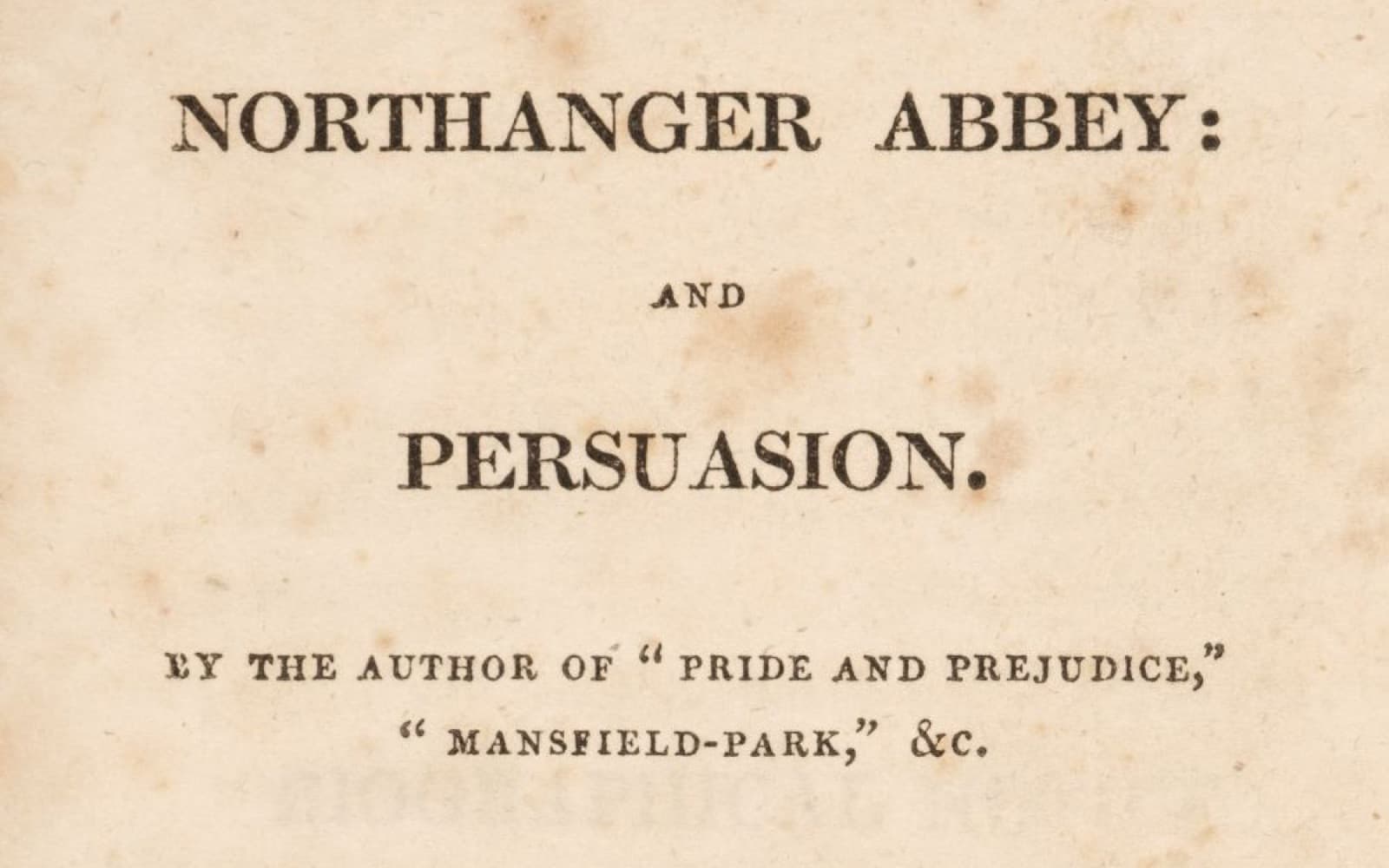
Once it arrived, it spread fast. In Jane Austen's Northanger Abbey, published in December 1817, the young heroine Catherine Morland calls a novel "the nicest book in the world", and the clever Henry Tilney pounces. "Oh! it is a very nice word indeed! it does for everything," he says. "Originally perhaps it was applied only to express neatness, propriety, delicacy, or refinement". Now, he complains, "every commendation on every subject is comprised in that one word."
His sister gets the last word, and without meaning to she echoes the old pairing of "nice" against "wise": "You are more nice than wise."
Girls, naughty children and meat
Plenty of other everyday words have moved.
**Girl.** In Middle English, "girl" could mean any child or young person. When Chaucer describes the corrupt Summoner in the General Prologue, a church official who summoned people to the church courts, he says that the man had in his power "The yonge girles of the diocyse". Skeat's glossary explains that "girles" here means "young people (of either sex)". Only later did the word narrow to mean girls alone.
**Naughty.** The word is built from "naught", meaning nothing, and once carried real moral weight. In Shakespeare's The Merchant of Venice, written in the late 1590s, Portia sees a candle burning in her house at night and says: "So shines a good deed in a naughty world." She did not mean a world of children who won't eat their greens. She meant a wicked one. Over time the word softened into today's mild, often playful, "naughty".
**Meat.** In Old English, *mete* just meant food. Chaucer's Franklin, a wealthy country landowner, kept such a generous table that "It snewed in his hous of mete and drinke": his house snowed with food and drink. Skeat glosses "mete" as "meat, food". The old sense survives in "sweetmeat", which was a sweet treat, and in the saying "one man's meat is another man's poison".
Why words drift
Linguists call all this semantic change, which simply means change in meaning. They have names for the main directions it takes. When a word goes downhill, like "silly", it is called pejoration. When it goes up in the world, like "nice", it is amelioration. When it covers less than it used to, like "girl" and "meat", it is narrowing.
The Silly Suffolk myth
The old meaning of "silly" has given rise to a popular story. Suffolk is sometimes nicknamed "Silly Suffolk", and you will often read that this is a medieval compliment meaning "holy Suffolk", thanks to the county's many fine churches.
It is a lovely idea, but probably untrue. In 2022 the place-name researcher Keith Briggs looked for early uses of the phrase in a paper for the Suffolk Institute of Archaeology and History. He found no certain examples from before 1819, and in the 1800s, when it was most popular, it seemed to mean something close to the modern sense. The alleged medieval origin, he concluded, "is a myth".
Silly once meant blessed. Silly Suffolk, it seems, never did.
Odd, and entirely British.
More Words & Language →