The tax on daylight that made Britain brick up its windows
For more than 150 years, the taxman counted your windows from the street, and the more you had, the more you paid. So many people bricked them up, and lived in the dark.
In 1797 William Pitt the Younger, needing money to fight France, proposed his 'Triple Assessment', which trebled many households' bills for assessed taxes, the window tax among them. According to a story told in the House of Commons half a century later, thousands of windows were blocked up the very next day. On the bare patches where the glass had been, someone chalked a joke borrowed from the prayer book: "Lighten our darkness, we beseech thee, O Pitt!"
It sounds like a tall tale, but the tax was real. For more than 150 years, what you paid depended partly on how many windows your house had.
A tax you could count from the street
The window tax began in 1696, under William III. England's silver coins had been badly "clipped", with people shaving slivers of silver off the edges, and the whole currency had to be called in and reminted. The Act that paid for it charged every inhabited house two shillings a year. Houses with ten to nineteen windows paid four shillings more, and houses with twenty or more paid an extra eight. Cottages – meaning homes whose occupiers were too poor to pay church and poor rates – were let off.
Windows were chosen for a simple reason. The previous attempt, the hearth tax of 1662, had charged for every fireplace, which meant officials had to come inside your home to count them. People hated it. Windows could be counted from the street. In theory, a big house with lots of windows belonged to a rich person who could afford to pay.
In practice, Adam Smith pointed out in The Wealth of Nations that "a house of ten pounds rent in a country town, may sometimes have more windows than a house of five hundred pounds rent in London". The poorer man could end up paying more.
Rates up, windows down
The tax was meant to be temporary. Instead, it was renewed, reshaped and raised again and again. From 1747, houses paid by the window: sixpence each on houses with ten to fourteen windows, ninepence with fifteen to nineteen, and a shilling with twenty or more. Later changes brought smaller houses in, and by the 1840s houses with eight windows or more were paying. In 1784 Pitt cut the duty on tea and made up the difference with a heavier window tax, and in 1797 came the Triple Assessment. Scotland, which had been left out after the union of 1707, was paying window tax from 1748.
People responded as you would expect. When the rates went up, many windows disappeared behind bricks, boards and plaster. When the economists Wallace Oates and Robert Schwab studied old tax records, mostly from Ludlow in Shropshire, they found clusters of houses with just under the number of windows where the next, higher rate began. In 1848 an MP told the Commons that a London builder had been hired to reduce the windows in nearly every house in Compton Street, Soho. The same MP reported a boast that, of 3.5 million houses in Great Britain, only about 500,000 paid the tax.
Living in the dark
The tax hit the poor hardest, because a building split into flats or rooms could be assessed as a single house, so the windows of every family inside were added together. Landlords had every reason to block them up.
By the 1840s, the sanitary reformers who were campaigning for clean water and drains had turned on the tax too. The leading reformer Dr Thomas Southwood Smith wrote that he did not believe sanitary reform could be complete until the window tax was abolished. Oates and Schwab quote an account of a deadly fever outbreak in Carlisle in 1781, which a local doctor, Dr John Heysham, traced to a crowded house where every window the families could spare had been bricked up.
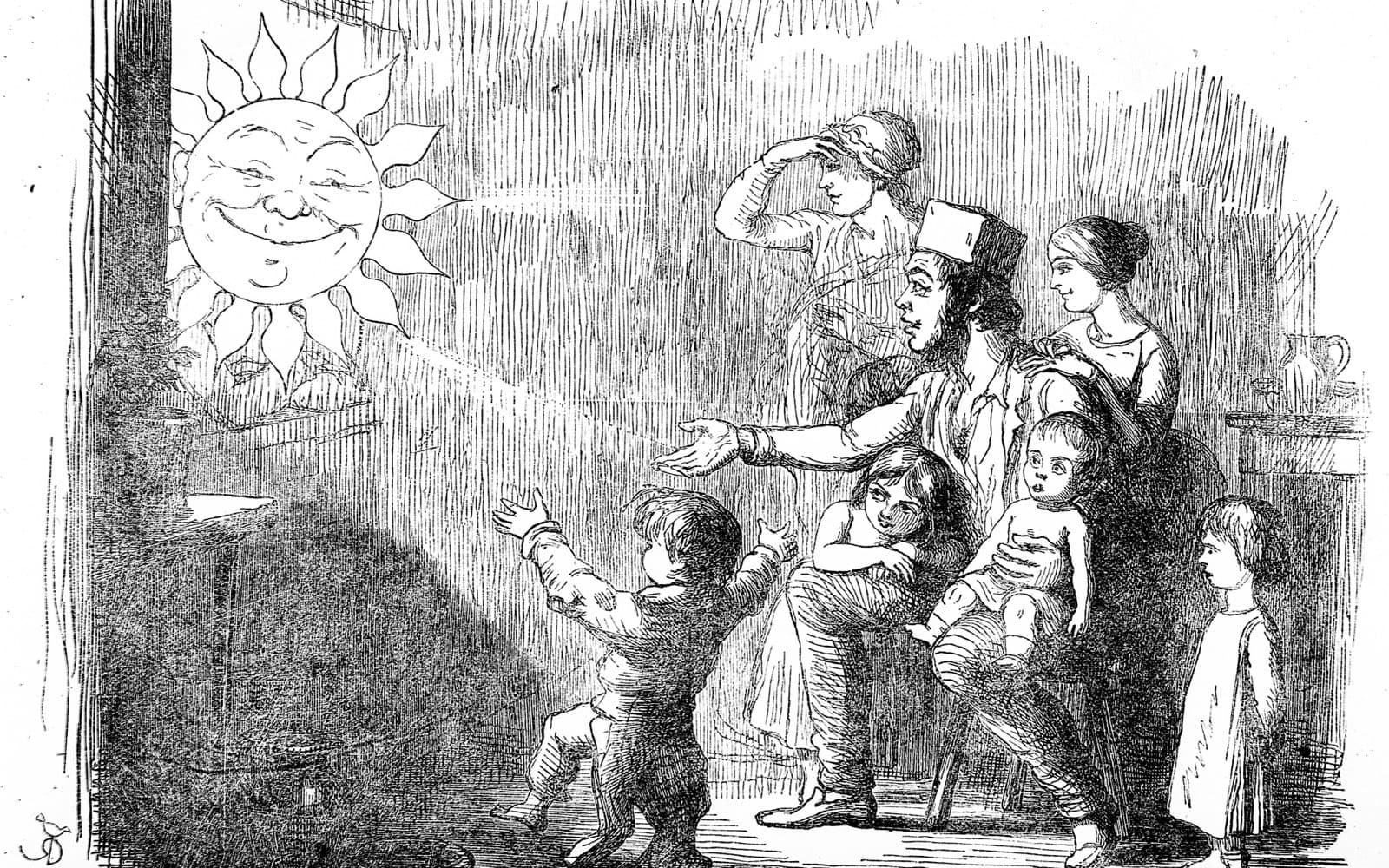
In August 1850, Charles Dickens's magazine Household Words put it memorably: "The adage 'as free as air,' has become obsolete by Act of Parliament." The line is often credited to Dickens himself, but the article, called "Health by Act of Parliament", was written by his sub-editor, William Henry Wills. It went on: "Neither air nor light have been free since the imposition of the window-tax."
Swapping windows for walls
The government finally gave way in 1851. The Chancellor of the Exchequer, Sir Charles Wood, proposed scrapping the window tax and replacing it with a tax on the value of houses. The new Inhabited House Duty charged ninepence in the pound on houses worth £20 a year or more, with a lower rate of sixpence for shops and similar premises. Cheaper homes paid nothing. It received royal assent on 24 July 1851, and the window tax was gone.
Not every blank window is a tax dodge
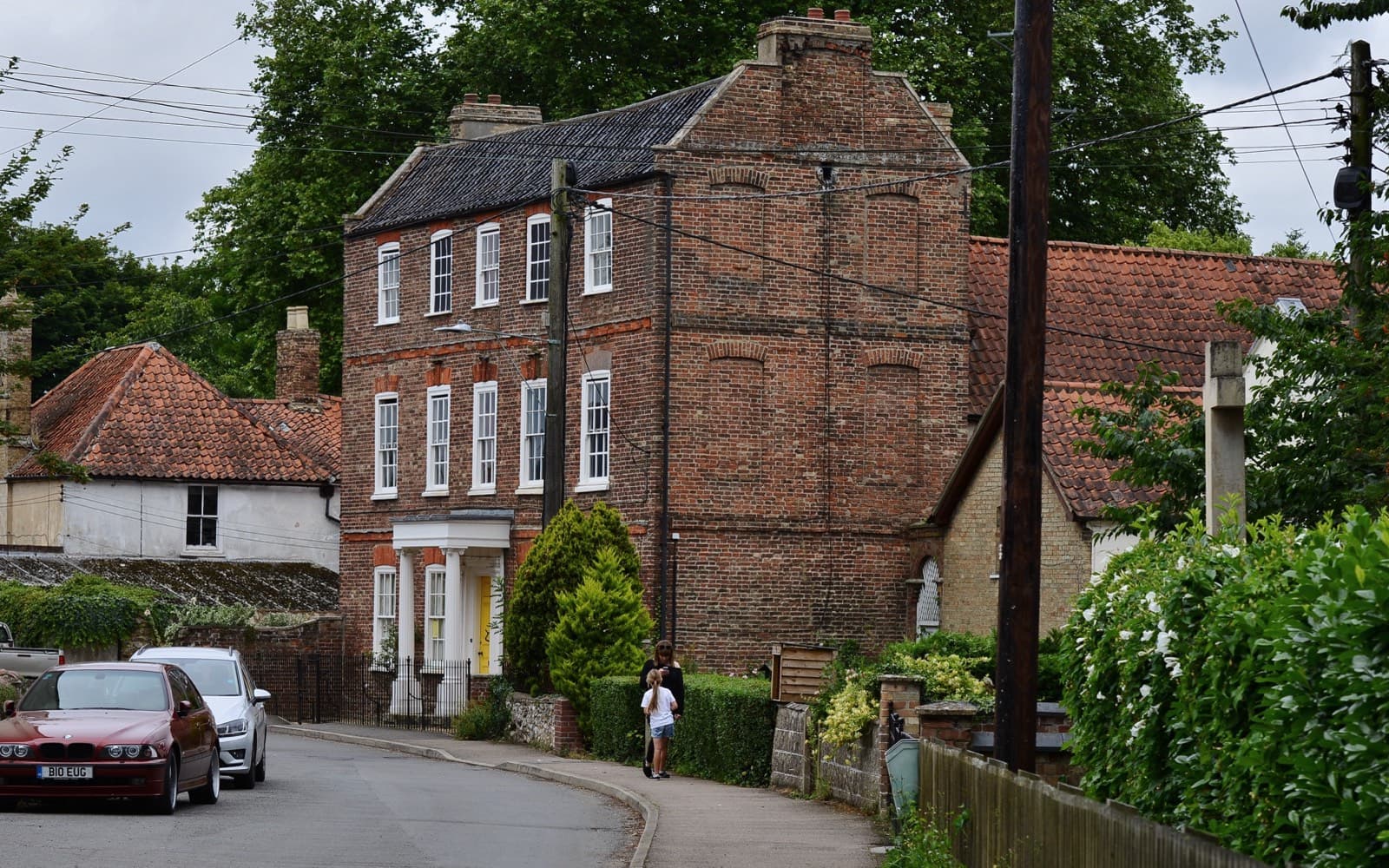
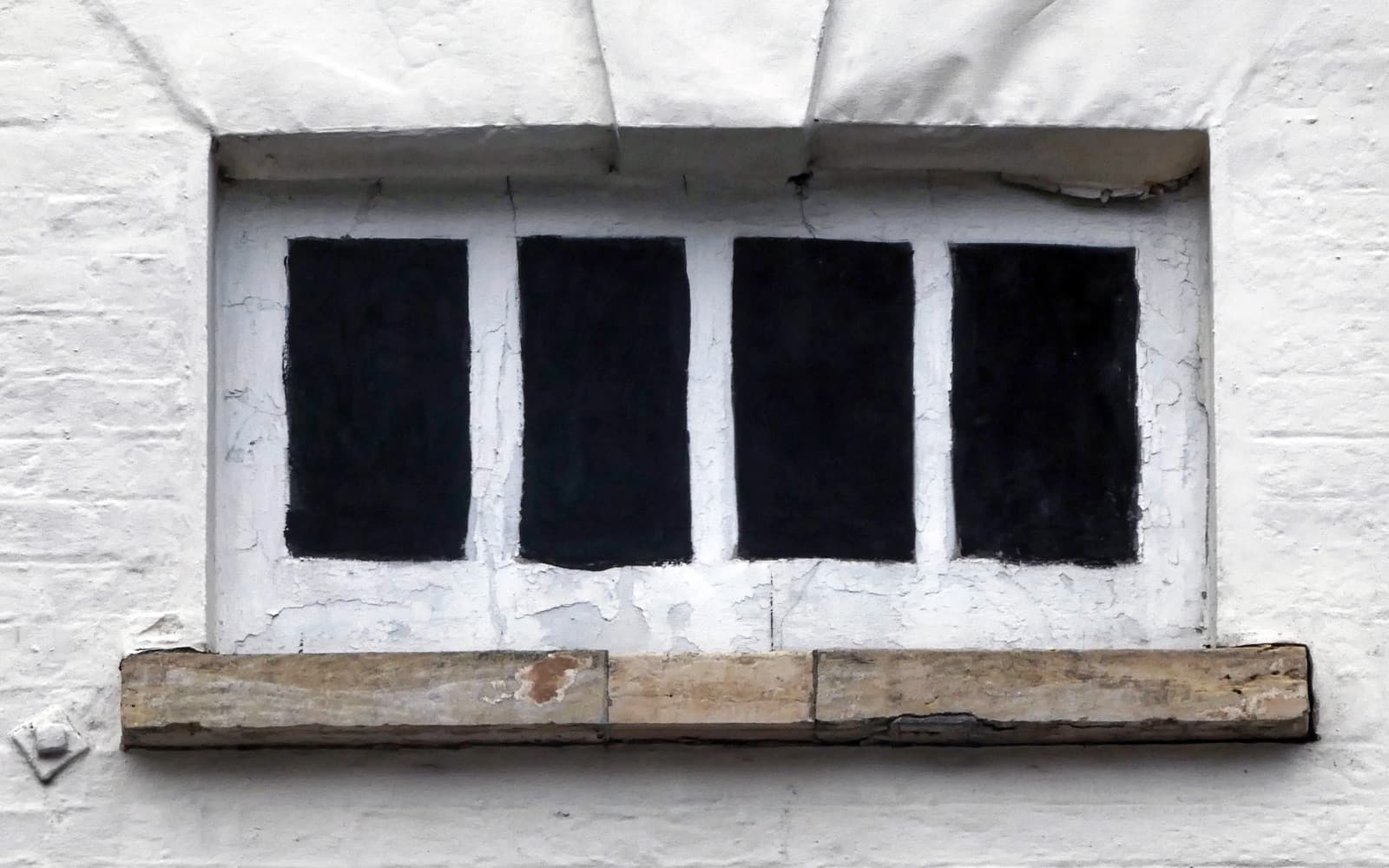
Walk through any old British town and you will spot windows that are not really windows: neat brick panels, or glass painted black. Many have nothing to do with the window tax.
Georgian architects cared a great deal about symmetry. If a wall, chimney or staircase sat right where a window ought to be, they often built a "blind" window from the start so that the outside still looked balanced. The historian Rob Goodbody, writing about Ireland, notes one Dublin building with 67 blind windows that an early-20th-century writer called a memorial of the window tax. It was a warehouse, so it never owed window tax at all. And anything built after 1851 cannot be a window-tax relic.
Was it daylight robbery?
Many people believe the phrase "daylight robbery" comes from the window tax, a tax on light itself. There is no evidence for it. The earliest known example in print is from 1804, in its literal sense: a robbery committed in broad daylight. The first known use meaning overcharging comes from 1863, twelve years after the tax was scrapped.
The bricked-up windows, at least, are real. Some are tax dodges, some are Georgian good manners, and only a building's history can tell you which.
Odd, and entirely British.
More History →